


I’ve been having a reckoning with my wardrobe.
It’s not the first time. I’ve done the gain-5-10-15-pounds-and-lose-it-again thing several times, usually on the timeline of gaining in winter, losing over summer. I tend to gain around my belly and hips, so the springtime closet changeover often means pants and shorts are too tight, tops mostly okay.
This year’s reckoning has been a bit different.
It was precipitated by packing for a beach trip, typically a joyful enterprise. I adore the beach. The month I spent living on Sanibel Island, Florida, some ten years ago counts as one of the highlights of my life, and Steve promised in the wedding vows he wrote to deliver me to sun and sand at least once a year. Those who know me well know I love the beach as much or more than I love, well, my clothes. So it shouldn’t be a surprise that over the years I’ve amassed a small beach wardrobe. It includes bathing suits, of course, but other pieces too: a green vintage wrap skirt appliqued with a glass of lemonade I bought in a thrift store on Sanibel. A turquoise ombre silk tunic top with delicate embroidery that makes me think of ocean waters. A teal cotton polka-dot button down from Target I like to tie over a bikini top in the same color. Some of my beachy items have sentimental value, like the mint pleated dress Steve bought me an hour before he proposed–probably largely to get me out of the store and walking on the beach so he -could- propose. And then there’s the pink halter dress I bought on my first solo trip to Ocracoke that’s traveled with me on every beach trip since.


Discovering that a number of these pieces don’t work with my new body has been hard.
It’s not simply a matter of weight. With all my swallowing issues, I’ve actually lost weight overall, and my pants, for once, are if anything too big. The challenges are my swollen left arm, discoloration and disfigurement of my neck, chest, and shoulder, and the ulcerated patch of skin above my left breast. My sausage arm simply doesn’t fit into the sleeves of some of my faves, so that’s a complete dealbreaker. And anything with much of a v-neck either calls attention to the redness and lumpiness of my skin, or reveals my port on the right and/or the scabby ick on the left. I know I could still wear those pieces, but I feel exposed in them, and I don’t like seeing other people’s pity or discomfort when they look at me. More than that, I dislike seeing those markers of illness myself when I look in the mirror, and it’s hard to feel pretty and confident when they’re on display.
So it’s been depressing, realizing I have to part with some of my beach favorites. It’s also sobering to realize how much my body has changed since September 2020, our last trip to the shore.


And that’s where the real reckoning is, of course. It’s never really about the wardrobe, is it? It’s about our relationships to our bodies, our feelings about them, our acceptance of or resistance to their changes. For me, that process is ongoing. I keep hoping my arm will shrink down at least a little, that my skin will heal. Things might improve some, but I know my body will never be the same as it was before cancer, before surgery, before chemo and radiation. That’s hard to accept.
I know it doesn’t help, regularly looking in my closet and feeling sad about the things I can’t wear. So maybe I’ll take this as an opportunity to weed out anything that doesn’t make me feel fabulous. I’m learning the shapes and styles that do flatter my new body, and I have one new dress that–even with a v-neck–makes me feel smashing.
And, I suppose, I now have an excuse to go shopping. Steve will be thrilled. 🙂

 The process of bilateral breast reconstruction has a tendency to highlight other asymmetries. The first thing my reconstructive surgeon said to me when he looked at my pre-surgery chest was that my left rib cage sat a little more forward, was a tiny bit more prominent, than my right. I’d never noticed this particular (minor) anomaly, but it’s apparently just as common for there to be asymmetry in the rib cage as in the face. The difference in my bone structure became most noticeable immediately after surgery and during my early tissue expander fills; for a while the right expander lagged behind the left, making me look lopsided. I also discovered I have a pocket of fat on my right upper back, unmatched on the left, which appeared only when I didn’t have breasts to pull the skin forward and keep it flattened out.
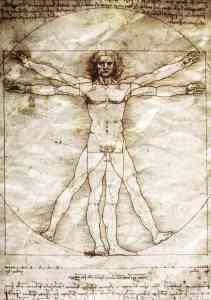 I’ve often felt lucky to be in the body I am. Aside from some cranky tonsils, a couple bouts of pneumonia, and one broken bone, I’ve been hale and hearty most of my forty-seven years, and I’ve managed to stay active and maintain a healthy, if not altogether svelte, weight into my middle age without Herculean effort. Excepting the sixth grade, when my legs had a sudden growth spurt separate from the rest of my body that briefly turned me into a sort of hybrid stork-human, my parts are mostly proportional, and my face, while perhaps not symmetrical enough for Hollywood’s standards, is reasonably attractive.
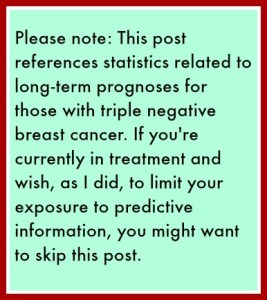
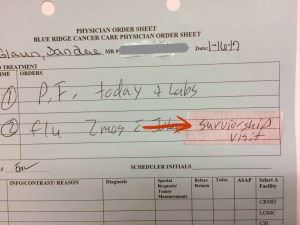 I’m just vain enough to feel relieved that the obvious asymmetries that appeared in my chest and back are slowly evening out as reconstruction progresses. But I’m far more reassured by a different realization. As I walked into the dining room Tuesday night, preparing to sit down to dinner with my hubby, it suddenly occurred to me: I no longer have cancer. Granted, my treatment isn’t quite done–follow-up radiation is the standard-of-care for triple negative diagnoses, even with a complete response to chemo, and reconstruction will take a while longer. But the chemotherapy worked; the surgery confirmed it. No more need I say, I have cancer. Now I can say, I had cancer.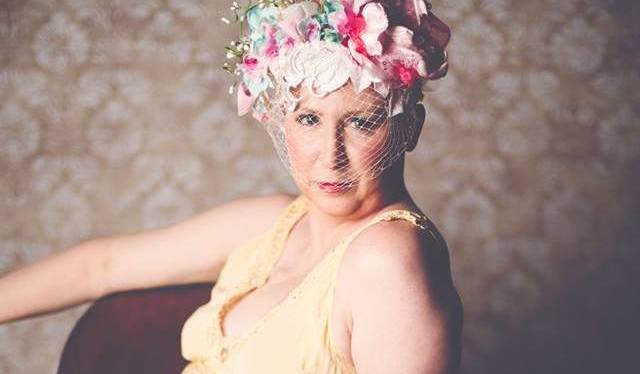
 It was also the start of many years of creative commentary by various medical professionals. I’m a “cyst-maker”; I have “busy breasts.” Enough nurses and doctors expressed surprise at the number and volume of my cysts that I felt like a curiosity. One surgeon in Georgia, who I’d been referred to for draining yet another set of what one nurse called my “natural implants,” greeted me by exclaiming, “Why, you’re just a little bitty thing!” He waved a copy of my scans through the air. ”After seeing the size of your cysts, I thought you’d have great big ba-zooms!”
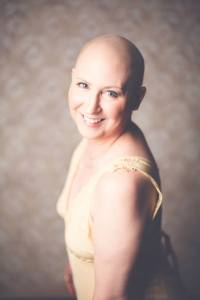 Something else I know: attachment is the root of all suffering. Yet I find it difficult not to be attached to something that is, well, attached to me. Front and center.
 Still Life, Beyond Cancer